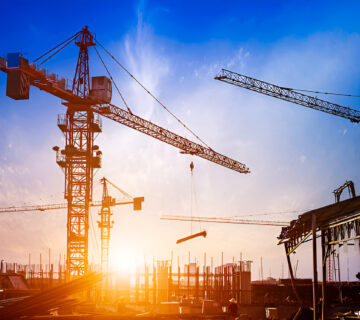
The construction equipment sector significantly impacts the economy by driving growth in the construction industry, which serves as a backbone for national development. Access to modern equipment accelerates project timelines, reduces costs, and enhances productivity, enabling economies to develop infrastructure efficiently. Well-built infrastructure, in turn, attracts investments, supports trade, and boosts overall economic growth.
The manufacturing and sale of construction equipment create jobs across multiple sectors, including production, transportation, and maintenance. Skilled labor is required to operate, maintain, and repair machinery, fostering workforce development and creating opportunities for specialized training programs.
Moreover, the export of construction equipment contributes to foreign exchange earnings for manufacturing nations. Countries like China, the United States, and Germany dominate the global market for construction machinery, reaping significant economic benefits from exports.
The presence of modern construction equipment also facilitates urbanization and housing development, addressing challenges such as population growth and housing shortages. Efficient construction processes enable governments and private sectors to complete infrastructure projects like roads, schools, hospitals, and airports more quickly and within budget.
Furthermore, the adoption of advanced equipment reduces operational costs for construction companies, allowing them to remain competitive in a globalized market. This competitiveness leads to more infrastructure projects being awarded to these firms, further stimulating economic activity and job creation.
In summary, construction equipment not only improves the quality and efficiency of building projects but also serves as a catalyst for economic progress. By investing in advanced machinery, the construction industry can achieve sustainable growth while driving innovation and enhancing the global economy.