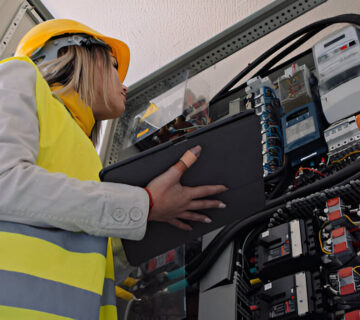
Electrical equipment forms the backbone of modern industrial operations, enabling the seamless functioning of machinery, systems, and processes. From power generation to automation, electrical devices and components play a critical role in enhancing efficiency, safety, and productivity across various sectors.
One of the primary functions of electrical equipment is power distribution and management. Circuit breakers, transformers, and switchboards ensure the safe and efficient flow of electricity in factories, construction sites, and industrial plants. Without these systems, the risk of power failures, overloads, and accidents increases, disrupting operations and causing financial losses.
In the manufacturing sector, electrical equipment powers machines, conveyor belts, and robotics, driving automation and precision. Advanced tools like programmable logic controllers (PLCs) and variable frequency drives (VFDs) optimize energy usage, reducing operational costs and environmental impact. This is especially vital in industries striving to meet sustainability goals.
Industrial lighting is another essential aspect, ensuring safe and efficient working environments. Properly lit workspaces reduce the risk of accidents and enhance productivity, particularly in sectors like mining, construction, and warehousing.
Moreover, electrical equipment facilitates communication and monitoring systems in industries. Devices like sensors, alarms, and control panels provide real-time data, enabling proactive decision-making and maintenance. For example, in the oil and gas sector, electrical equipment monitors pressure and temperature, ensuring operational safety and efficiency.
Renewable energy integration has further highlighted the importance of electrical equipment. Solar panels, wind turbines, and energy storage systems rely heavily on electrical components for energy conversion and distribution. This shift toward clean energy sources underscores the evolving role of electrical equipment in industrial sustainability.
In summary, electrical equipment ensures the uninterrupted flow of power, supports automation, enhances safety, and aligns industries with modern energy demands, making it indispensable for industrial progress.