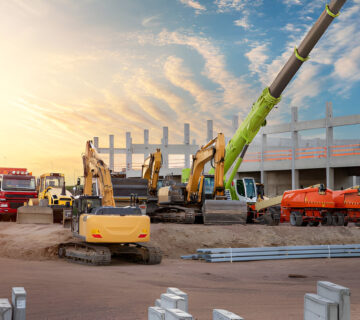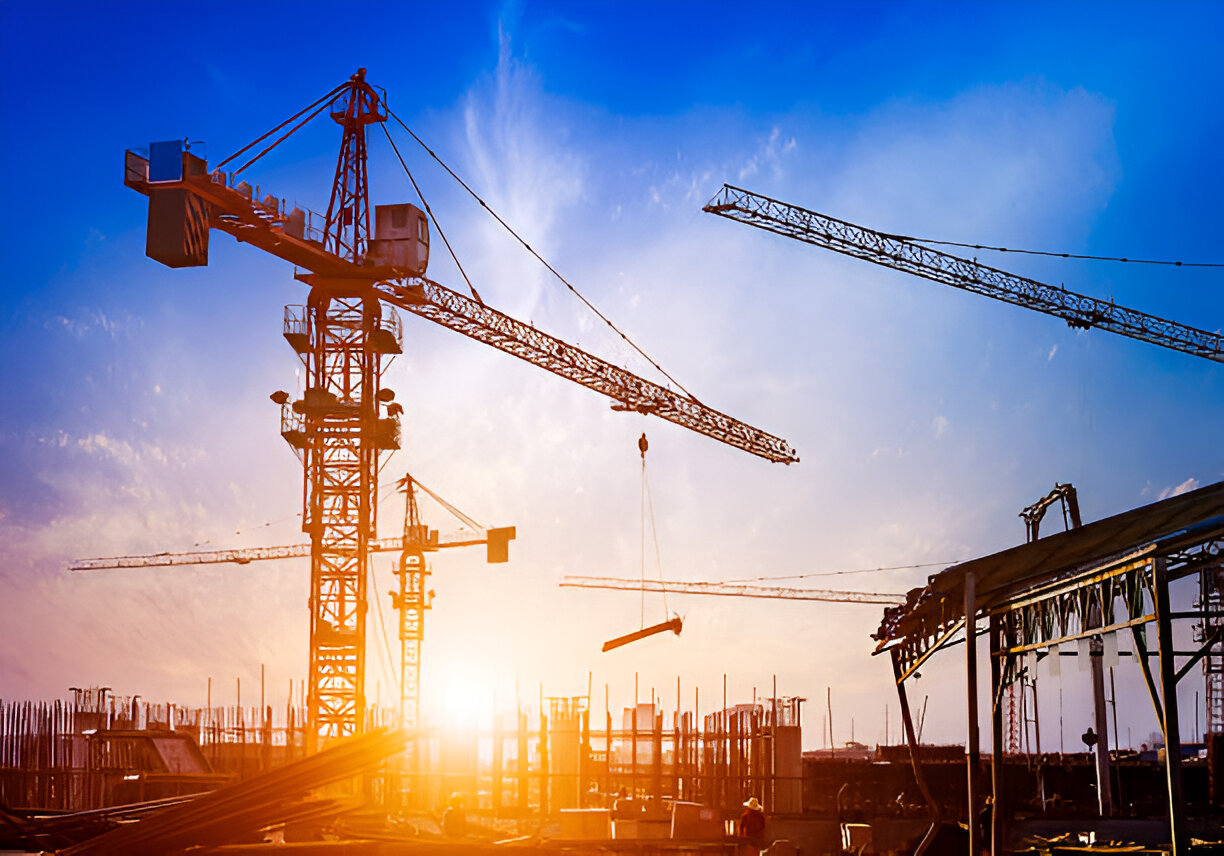
Construction equipment is a cornerstone of modern construction practices, playing a critical role in enhancing efficiency, safety, and precision across various projects. From small-scale residential buildings to massive infrastructure developments like bridges and highways, specialized machinery and tools streamline construction processes and reduce dependency on manual labor.
Key types of construction equipment include excavators, bulldozers, cranes, and concrete mixers. These machines are designed to handle heavy loads, perform tasks quickly, and achieve outcomes that would be nearly impossible with traditional methods. For example, excavators are indispensable for digging and trenching, while cranes enable the lifting of heavy materials to great heights.
The significance of construction equipment extends to its ability to ensure workplace safety. Modern equipment is equipped with advanced safety features, minimizing risks to workers and the environment. Additionally, the precision provided by advanced machinery improves the quality of construction, reducing rework and wastage, which translates to cost savings.
Technological advancements have further revolutionized this field. The integration of GPS systems, autonomous machinery, and IoT-enabled equipment has transformed how construction projects are planned and executed. These innovations allow for better project management, real-time monitoring, and predictive maintenance, ensuring equipment remains in optimal working condition throughout its lifecycle.
Construction equipment also supports sustainable practices. Machines like energy-efficient excavators and low-emission concrete mixers help reduce the environmental footprint of construction activities. As sustainability becomes a global priority, the role of eco-friendly construction equipment in meeting environmental regulations and green building standards is increasingly important.