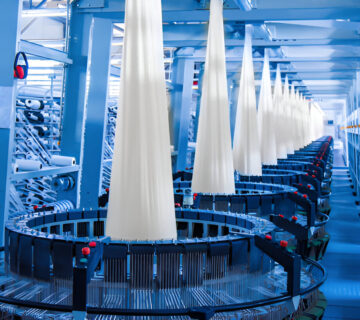
The economic significance of plastic raw materials is immense, as they form the backbone of numerous industries, generate employment, and drive technological advancements.
The plastics industry itself is a major contributor to global GDP. From raw material extraction to product manufacturing and recycling, this sector involves a vast network of activities that sustain millions of jobs worldwide. Regions with advanced polymer industries, such as Europe, the U.S., and Asia, benefit significantly from the economic output of plastics.
Plastic raw materials contribute to cost savings and efficiency in industries. Their lightweight and durable nature reduces production and transportation costs, making products more affordable for consumers. For example, in the automotive industry, replacing metal parts with plastics reduces manufacturing expenses and enhances vehicle fuel efficiency, benefiting both producers and end-users.
The export and import of plastic raw materials and products constitute a substantial part of global trade. Countries with abundant petrochemical resources or advanced recycling technologies capitalize on the demand for raw materials like polyethylene and polypropylene. This trade boosts national economies and strengthens international partnerships.
Innovation in the plastics sector, such as the development of biodegradable plastics and high-performance polymers, has spurred new business opportunities. Companies investing in research and development not only gain a competitive edge but also contribute to sustainable economic growth.
The economic impact of plastics extends to small and medium enterprises (SMEs) that rely on affordable raw materials to produce goods. From local packaging companies to craft industries, plastics enable SMEs to thrive, supporting local economies and promoting entrepreneurship.
However, addressing environmental concerns associated with plastics has created a new economic dynamic. Recycling and waste management industries have emerged as critical players, generating revenue and creating jobs while reducing the environmental footprint of plastic use.
In conclusion, plastic raw materials are vital to the global economy, supporting industrial growth, fostering innovation, and driving trade. Their adaptability and affordability ensure their continued relevance, while advancements in sustainability promise a more balanced approach to their economic and environmental impact.