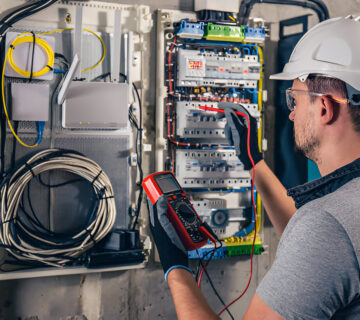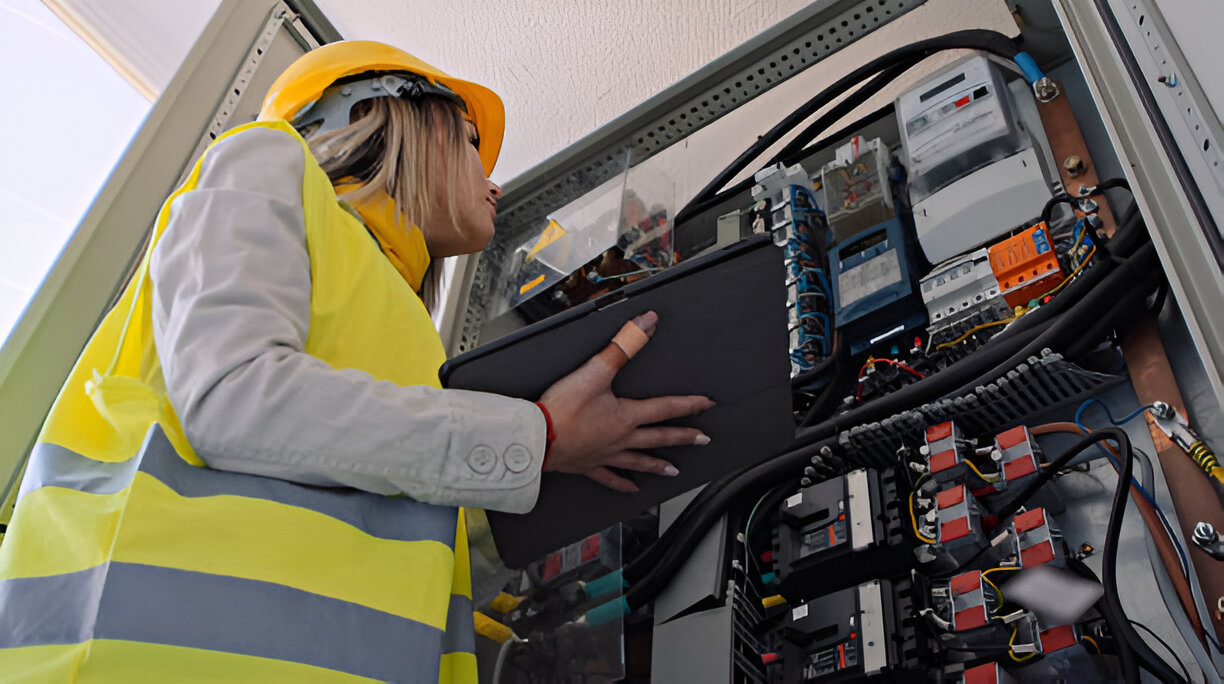
The economic impact of electrical equipment extends far beyond its functional benefits, contributing significantly to global and regional economies. It drives industrial growth, fosters innovation, and supports the infrastructure needed for modern economic systems.
Firstly, the production and sale of electrical equipment are major contributors to GDP. From small components like switches and relays to large systems like transformers and generators, the electrical equipment industry generates billions of dollars in revenue annually. This sector also creates jobs in manufacturing, research and development, sales, and maintenance, bolstering employment rates worldwide.
Electrical equipment enhances industrial efficiency, reducing operational costs and increasing output. For instance, the integration of smart electrical systems in manufacturing optimizes energy consumption, lowers downtime, and boosts overall productivity. These cost savings enable industries to reinvest in expansion and innovation, driving economic growth.
The renewable energy sector’s reliance on electrical equipment has opened new markets and opportunities. As countries transition to green energy solutions, the demand for electrical components like inverters, batteries, and energy management systems has surged. This shift not only diversifies economies but also attracts investments in sustainable technologies.
Moreover, the export of electrical equipment is a significant source of income for manufacturing nations. Countries like Germany, China, and the United States dominate this market, benefiting from high-value exports and strengthening their trade balances. Conversely, importing countries gain access to advanced technologies that improve their industrial capabilities.
Infrastructure development is another area where electrical equipment plays a pivotal role. From urban power grids to rural electrification projects, electrical components are essential for building modern societies. These developments stimulate local economies, create construction jobs, and attract businesses reliant on stable power supplies.
In conclusion, the economic importance of electrical equipment lies in its ability to enhance industrial efficiency, support renewable energy adoption, and drive infrastructure development. As industries evolve and energy demands grow, the role of electrical equipment in shaping economies will continue to expand.