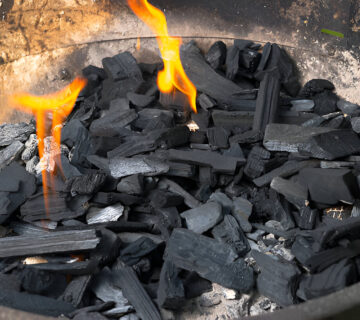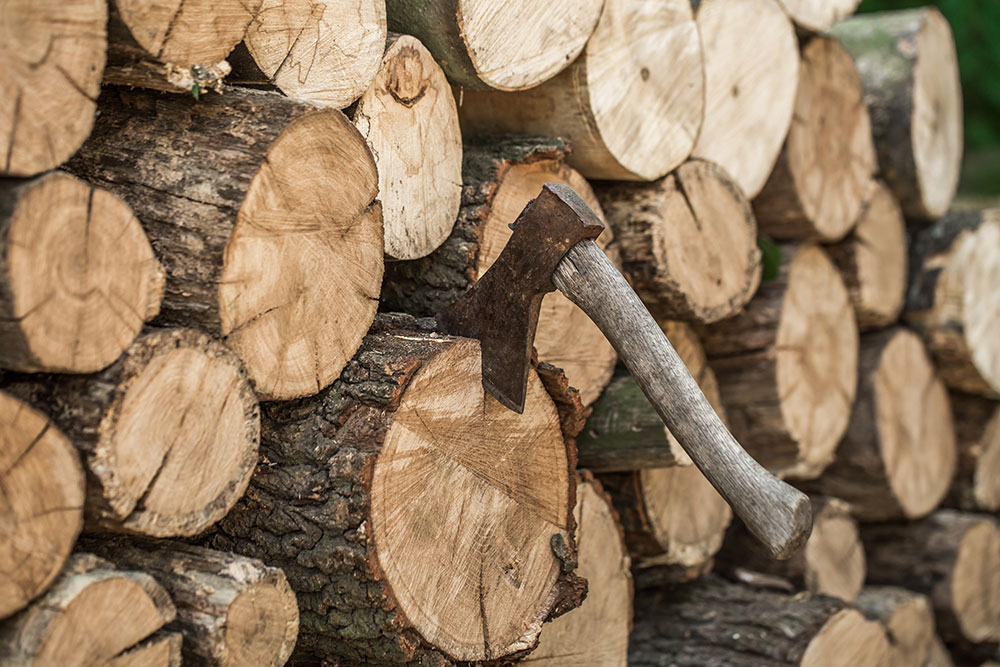
Charcoal and firewood have been essential energy sources for centuries and continue to hold significant importance in various industries. While modern energy solutions like electricity and gas dominate today’s landscape, charcoal and firewood remain indispensable for specific applications due to their unique properties and widespread availability.
Charcoal, known for its high carbon content and heat output, is extensively used in industries such as metallurgy and manufacturing. In metalworking, it serves as a key component for forging and smelting, offering high temperatures required for shaping and refining metals. Its smokeless combustion and consistent heat make it an ideal choice in applications where precision is critical.
Firewood, on the other hand, is a crucial fuel source in industries that require direct heating, such as brick kilns, ceramics, and traditional food processing. In rural and remote areas, where access to modern energy solutions is limited, firewood provides an affordable and reliable source of heat energy. Additionally, it is used in industries that prioritize sustainable and renewable energy practices.
Beyond its industrial uses, charcoal is also widely utilized in water purification processes and as an ingredient in products like activated carbon. Firewood remains a staple in biomass power plants, contributing to renewable energy initiatives by converting organic material into usable energy.
Sustainability is a growing focus in the use of charcoal and firewood. With responsible sourcing and reforestation practices, industries can minimize environmental impact while maintaining access to these vital resources. As global industries seek greener energy solutions, sustainable practices in the production and use of charcoal and firewood are gaining prominence.